

The patent application US20240350420A1 focuses on pharmaceutical formulations and methods for treating conditions such as hyperhidrosis, which causes excessive sweating. It details the development of modified-release compositions using Pilocarpine HCl, a muscarinic agonist. These formulations aim to optimize drug delivery by using various release mechanisms, including immediate, delayed, or sustained release. Notably, the innovations include encapsulation techniques with polymer coatings. These coatings control dissolution rates under different conditions, ensuring stable and effective drug delivery over time.
Moreover, the application highlights formulations that combine Pilocarpine with other agents, such as Oxybutynin, to boost therapeutic efficacy. It also examines dissolution profiles under varying environmental conditions, emphasizing stability and performance consistency. Consequently, this approach seeks to improve patient outcomes by tailoring release profiles to specific medical needs. Additionally, it minimizes side effects through controlled drug exposure.
Why CELLETS® are important in these methods for treating hyperhidrosis
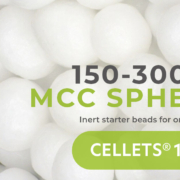
CELLETS® are microcrystalline cellulose spheres. They serve as an essential component in drug delivery systems designed for controlled and extended release of active pharmaceutical ingredients (API). These spheres act as inert core substrates, providing a uniform and stable base for layering active compounds and functional polymers. In addition, their consistent size and smooth surface allow precise and even distribution of coatings, which is critical for predictable drug release kinetics.
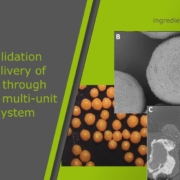
Cellets form the crucial base for formulations that rely on pellet technologies. These formulations improve the pharmacokinetic profile of APIs, especially highly lipophilic drugs, by controlling their release rate. By coating excipients and API, multi-layer systems on these cores enable gradual drug dissolution. This process reduces fluctuations in plasma drug levels and minimizes side effects. For example, in a Pilocarpine HCl formulation, coating CELLETS® with suitable excipients allows extended drug release. This maintains therapeutic concentrations longer and improves patient compliance by reducing dosing frequency.
Moreover, their flexibility allows use across various dosage forms, such as capsules, compressed tablets, or even gel-like forms. Additionally, the uniformity of these MCC starter beads ensures each pellet delivers a controlled dose of the active ingredient. Therefore, they are integral to achieving consistent therapeutic outcomes in complex drug delivery systems.
The function of Pilocarpine HCl
Pilocarpine HCl is a cholinergic agonist. It stimulates muscarinic receptors, increasing secretion production and smooth muscle contraction. Primarily, it treats glaucoma in ophthalmology by reducing intraocular pressure. This effect occurs through enhanced aqueous humor outflow. Additionally, it manages xerostomia (dry mouth) caused by conditions like Sjögren’s syndrome or radiation therapy for head and neck cancers. Its parasympathomimetic action stimulates saliva production and improves symptoms.
Document information
Document Type and Number: (“Pharmaceutical compositions and methods for treating hyperhidrosis”).
Inventors:
Disclaimer
This text was partly generated by chatGPT engine version GPT‑4o, on Nov 21, 2024. Image was generated with Adobe Firefly.
 ingredientpharm

 adobe firefly
 adobe firefly