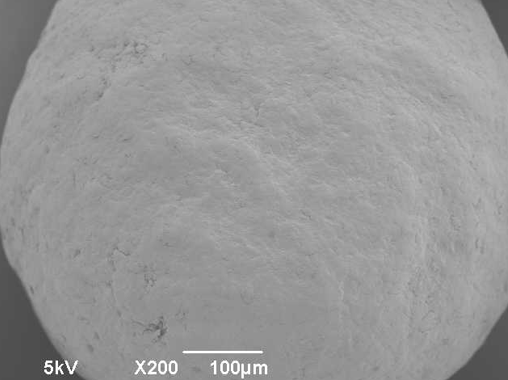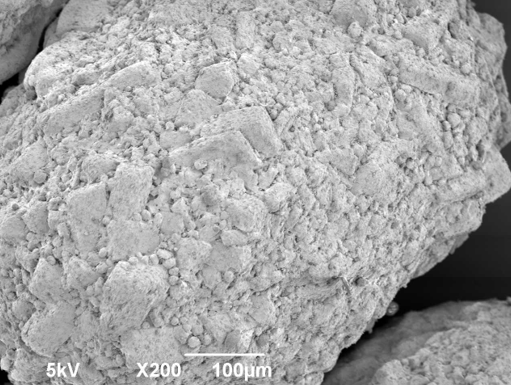
CELLETS® 200

(200-355 µm)

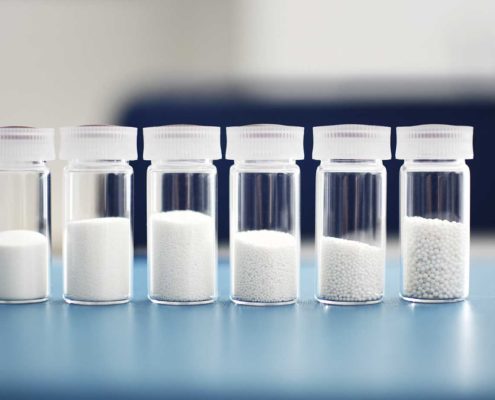
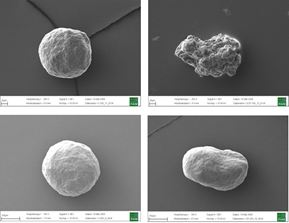
CELLETS® 200 is a subtype of pellets made of microcrystalline cellulose. The size ranges from 200 µm to 355 µm. Find more product information and technical specifications.

CS_taste_image_1

Abstract

Several drug substances are known to be extremely bitter. In special for paediatric and geriatric applications, costumer compliance by means of taste acceptance is a highly sensitive topic. Taste masking is therefore an important issue in pharmaceutical industry of oral dosage forms not only to improve the compliance, but it is also used to define a unique taste identification by the costumer (competition advantages). This case study will focus on taste-masking of an API and on the optimization of release in the absorption window of the API.

Modifying the taste

Several methods are available to actively influence, hide or modify taste, such as the initial activation of the active pharmaceutical ingredient (API) by biotransformation [1], the complexation into the cavity of a complexing agent [2] or layering with coating substances [3] and other methods.

Among all these solutions, coating seems to be one of the best understood and most flexible methods. In terms of the API bitterness, mild and extreme bitter APIs are applicable. Additionally, coating [4] is well suited for high dosed API formulations. There are two main approaches: (1) direct coating of the bitter API particles in multiple unit pellet system (MUPS) tablets, or (2) global coating of the tablet which contains the bitter API.

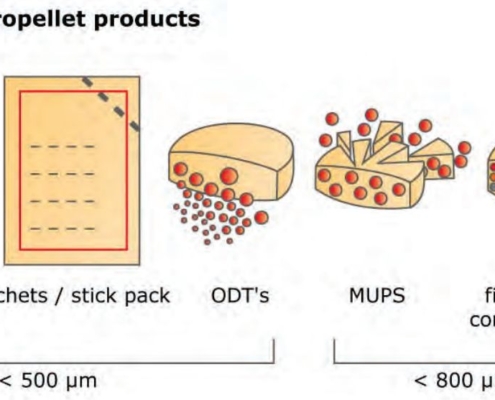
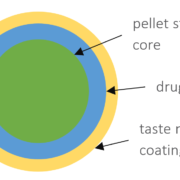
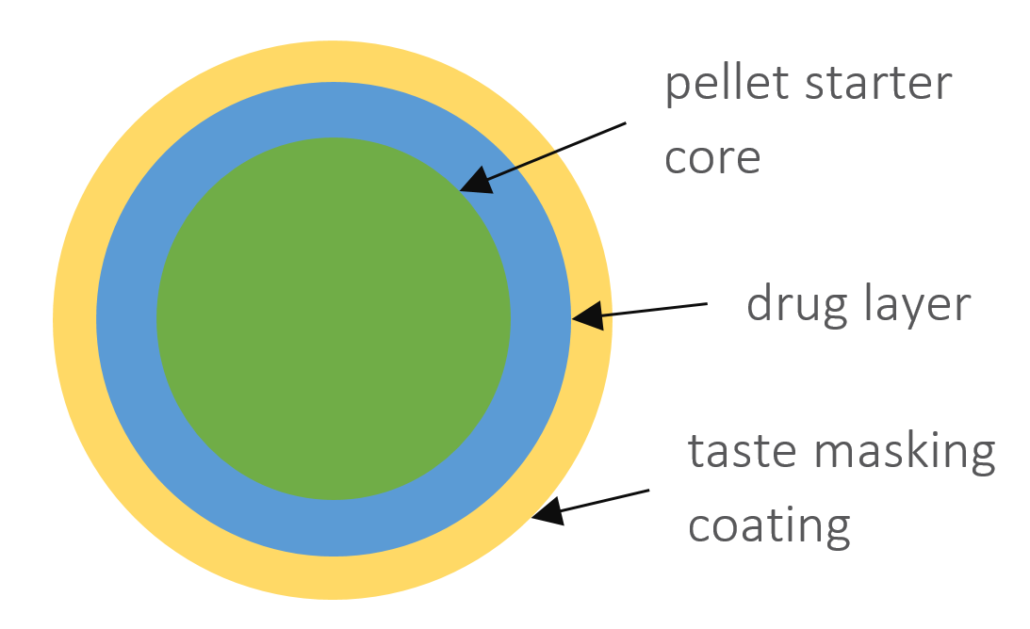
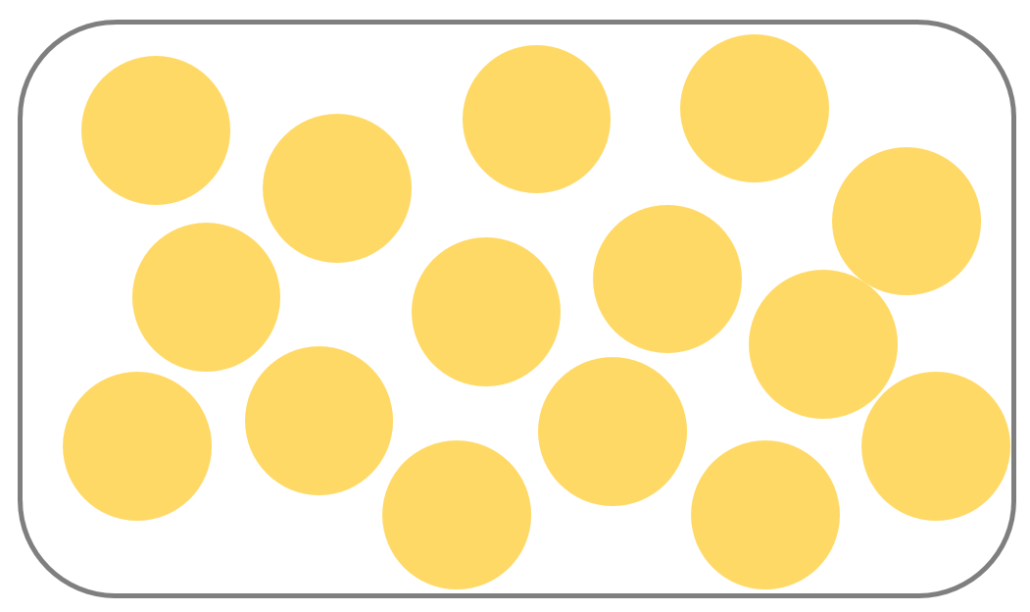
In this case study, we focus on the direct coating of API in a formulation based on starter cores as the unit pellet system. CELLETS® 200 are used as starter cores. They are pellets made of microcrystalline cellulose in size ranges from 100 µm to 1400 µm. In this specific case study, the core size ranges between 100 µm and 200 µm with a defined size distribution. The main advantages of CELLETS® are high sphericity, low friability and optimum in hardness. An API is coated onto the starter cores with a drug load of 5-20 %. The taste-masking coating is performed with Eudragit EPO® so that the resulting particle size remains below 500 µm (Figure 1). Eudragit is the polymer of choice as it ideally prevents API release in oral cavity and allows its release in the absorption window of the API. The final dosage form is a MUPS tablet (Figure 2).

CS_taste_image_1

Sketch of a coated pellet starter core (green) with API (blue) and taste masking Eudragit EPO® (yellow) coating. The API drug load is between 5 % to 20 %. The resulting particle size remains below 500 µm.

Compaction is an issue during production, which requires mechanically stable pellets. Coated CELLETS® 200 after compaction still represent as “hard” core pellets. The coated pellets show only little deformation, a reversible compaction behavior and an intact coating.

CS_taste_image_2

Sketch of a MUPS tablet. Coated starter cores (yellow) and filling excipient formulation (white).

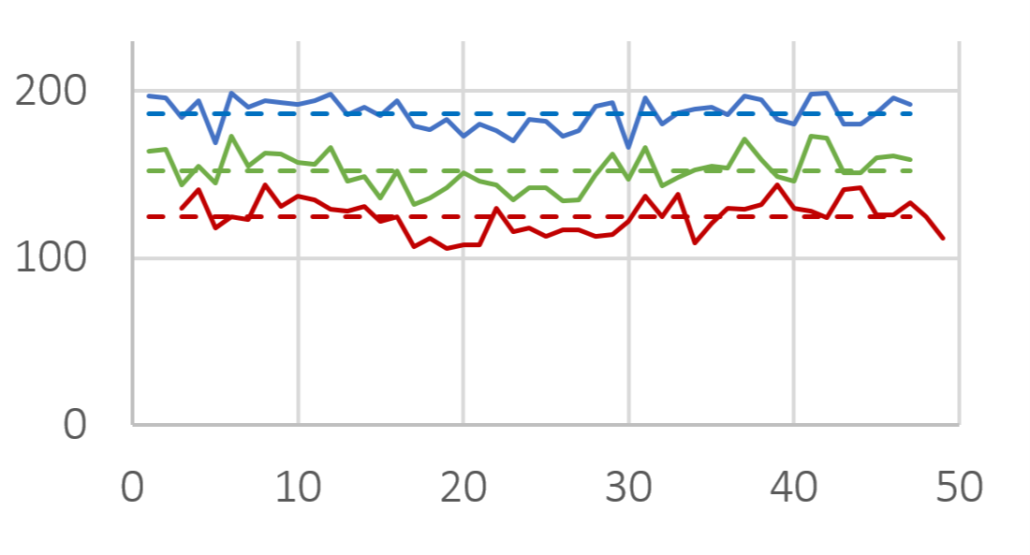
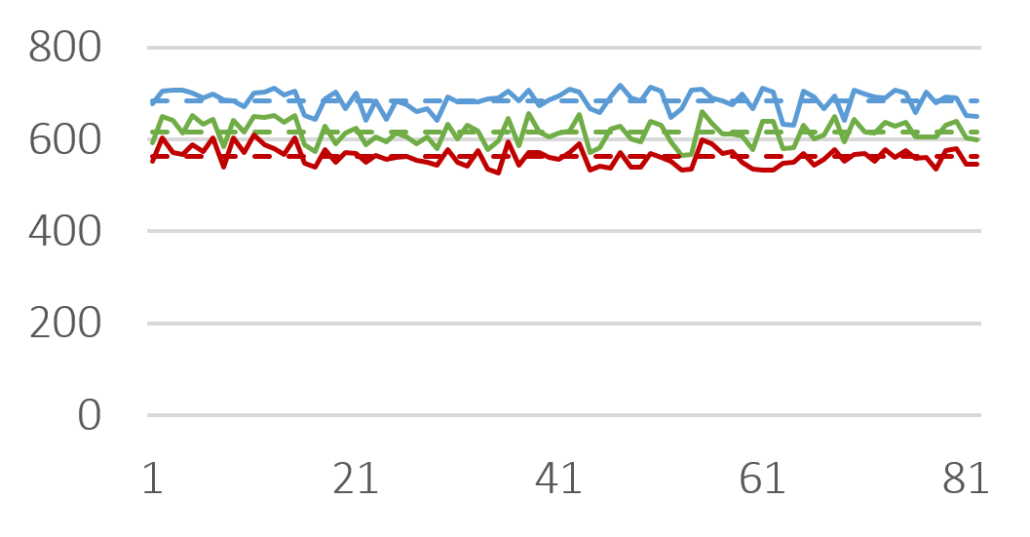
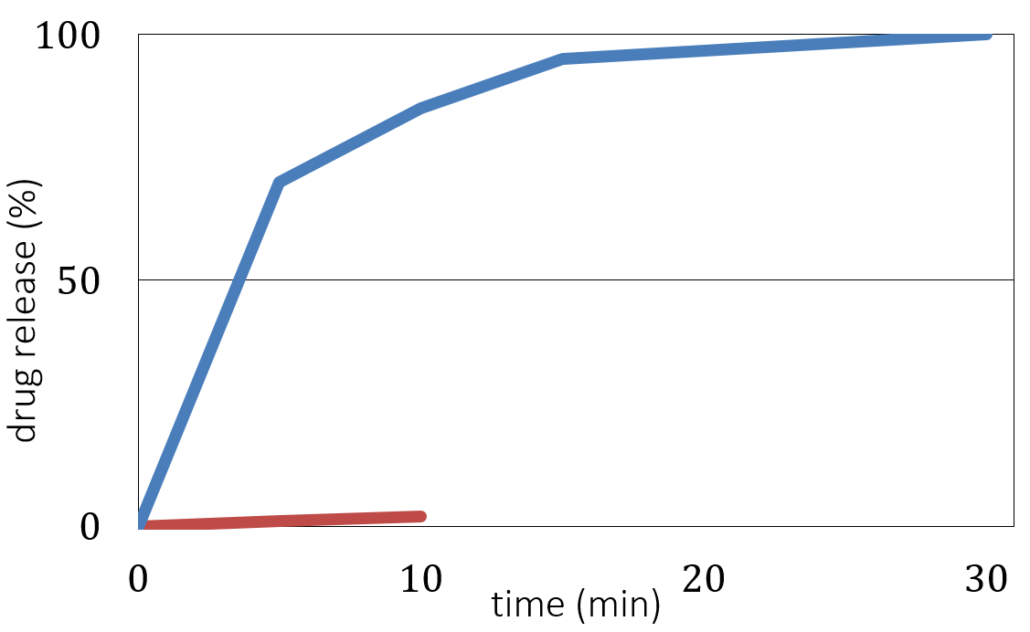
Here, the MUPS formulation defines a content uniformity with an excellent taste masking at pH 7 (as a measure for the oral cavity) and fast dissolution at pH 1 (representing conditions in the stomach). Figure 3 shows the evaluation of taste masking and dissolution efficiency tests, where the dissolution at pH 7 remains less than 10 % after 10 minutes, and a desired dissolution at pH 1 with a drug release better than 85 % after 30 minutes.

CS_taste_image_3

Drug release versus time for coated CELLETS® 200 starter cores. Blue line: in vitro dissolution testing at pH 1 (stomach). Red line: taste masking evaluation at pH 7 (oral cavity).

Summary

Taste masking and modification is crucial for costumer compliance in paediatric and geriatric applications. Several methods are available, such as direct API coating. CELLETS® are perfect starter cores for a successful formulation and simplify taste masking of extreme bitter APIs. CELLETS® properties allow perfect coating abilities due to a high degree of sphericity. CELLETS® of small sizes and narrow size distribution are applicable in MUPS tablets thanks to their low friability and excellent hardness.

References

[1] K. Rafik. Computationally Designed Prodrugs for Masking the Bitter Taste of Drugs. Drug Des. Open Access (2012).

[2] V. Vummaneni and D. Nagpal. Recent, taste masking technologies: an overview and updates. Int. J. Res. Pharm. Biomed. Sci. (2012) 3, 510-524.

[3] D. Sharma, D. Kumar, M. Singh, G. Singh and M. Rathore. Taste masking technologies: a novel approach for the improvement of the organoleptic property of pharmaceutical active substance. Int. Res. J. Pharm. (2012) 3, 108-116.

[4] Hazzah, H.A., EL-Massik, M.A., Abdallah, O.Y. et al. Preparation and characterization of controlled-release doxazosin mesylate pellets using a simple drug layering-aquacoating technique. Journal of Pharmaceutical Investigation 43 (2013) 333–342. https://doi.org/10.1007/s40005-013-0077-0

MUPS_image_4

Abstract

Starter beads such as pellets made of microcrystalline cellulose (MCC) are frequently used in the formulation of oral drug delivery systems, e.g. multiparticulates [1] or multi-unit pellet system (MUPS) tablets [2]. Certain properties are requested to MCC pellets. We shed some light on sphericity size and friability in this note.

Starter beads for MUPS tablets

MUPS tablets consist of pellets which are compressed – assisted by excipients such as disintegrants and fillers. The pellets used are usually functional coated to achieve desired drug release profiles.

CS_MUPS_image_1

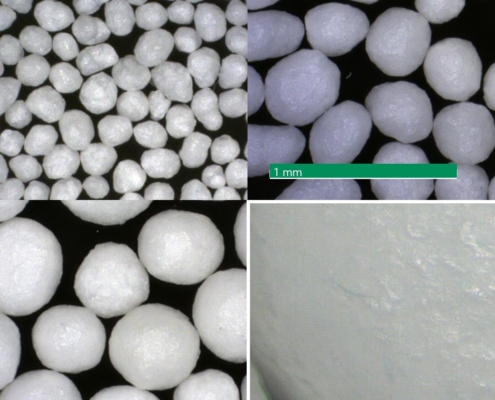
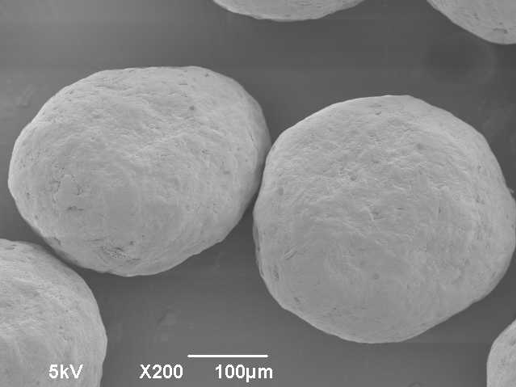
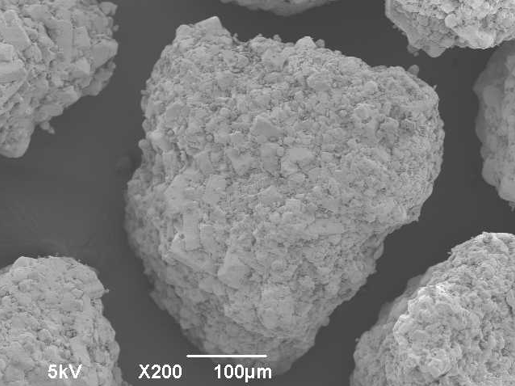
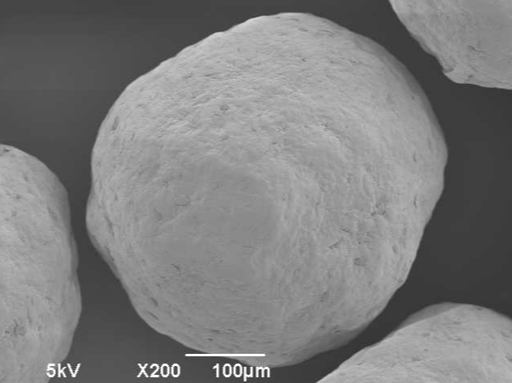
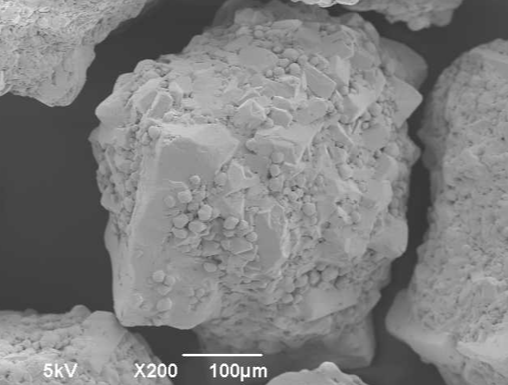
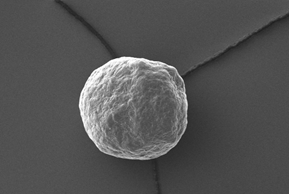
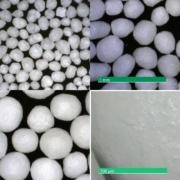
Top: Inert Cellets® 100 (100-200 µm, left) in comparison with another MCC sphere (75-212 µm, right). Bottom: Inert Cellets® 200 (200-350 µm, left) in comparison with another MCC sphere (150-300 µm).

Figure 1: Top: Inert Cellets® 100 (100-200 µm, left) in comparison with another MCC sphere (75-212 µm, right). Bottom: Inert Cellets® 200 (200-350 µm, left) in comparison with another MCC sphere (150-300 µm).

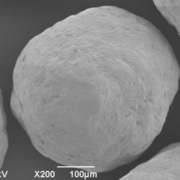
The characteristics of the starter bead as a neutral carrier should therefore include high sphericity (Figure 1), constant particle size distribution and smooth surface. These aspects count especially for the formulation of low dosed highly active APIs.

For the application in MUPS tablets small size and high mechanical stability (low friability) are of interest to achieve desired drug loading and avoid film damage during compression.

Size

Any question relating to optimized drug load and coating layers of pellets is a question of size and sphericity of the starter beads.

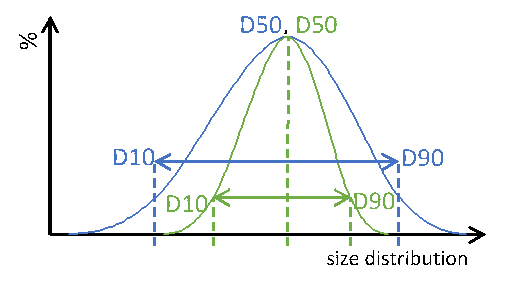
So, what is the main influence of size? Size needs to be considered for achieving desired drug load in relation to a total dimension of the pellet. While the total dimension of the pellet is mainly defined by the application – e.g. processing as a capsule, tablet or sachet –, the initial pellet size defines the maximum thickness of coating levels (Figure 2). Size might also be a matter of content uniformity with low dosed API and also needs to be mentioned by means of processability, which is in particular electrostatic loading or sticking. Particle size distribution influences the dissolution profile.

CS_MUPS_image_2

Figure 2: Sketch of a functionally coated pellet. The size of the initial pellet (green) defines the maximum thickness of all coating layers (blue) which may contain API and excipients, as well.

Figure 2: Sketch of a functionally coated pellet. The size of the initial pellet (green) defines the maximum thickness of all coating layers (blue) which may contain API and excipients, as well.

Sphericity

Sphericity is a strong parameter which influence depends on drug loading and coating levels. Also for the control of dissolution profile where specific surface area and content uniformity play important roles, the influence of sphericity needs to be understood (Figure 3). Please do not forget, that with decreasing sphericity, the flow probabilities of powders are decreasing (powder rheology), which might affect process properties such as powder transport.

CS_MUPS_image_3

Figure 3: Sketch of non-spherical starter beads (green) with coating layers (blue). Coating layer thickness and dissolution profiles are hard to control in this case.

Figure 3: Sketch of non-spherical starter beads (green) with coating layers (blue). Coating layer thickness and dissolution profiles are hard to control in this case.

Thus, starter beads of uniform size (distribution) and sphericity are the better solution for overcoming these issues by simplifying drug formulation and processing. Such starter beads can be pellets of MCC, sugar or tartaric acid. MCC pellets surely show perfect initial conditions as they exhibit chemical inertness and therefore can be combined with several APIs. In case of weakly basic APIs, tartaric acid pellets are advantageous.

MUPS_image_4

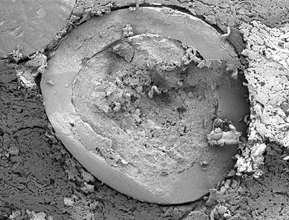
Figure 4: A pellet inside a compressed MUPS tablet. The starter bead is surrounded by a coating layer of exemplarily excipient or API. A powdery excipients matrix surrounds the coated pellet. Friability is absolutely low.

Figure 4: A pellet inside a compressed MUPS tablet. The starter bead is surrounded by a coating layer of exemplarily excipient or API. A powdery excipients matrix surrounds the coated pellet. Friability is absolutely low.

Figure 4 shows a cross-section of a pellet in the matrix of a compressed MUPS tablet. It is mentionable, that due to low friability a high degree of sphericity as well as surface smoothness are kept after compression and film damage of coating layers is not identified.

Summary

Cellets® offer a perfect combination of chemical inertness towards the selection of the API and physical properties that allow optimized and stable processing in a fluid bed process for layering and coating of the starter beads. Main advantages are the low friability, smooth surface, sphericity and narrow size distributions.

Cellets® starter beads therefore provide excellent conditions for controlled drug dissolution profiles.

Acknowledgement

We acknowledge Fraunhofer IFAM (Dresden, Germany) for providing electron microscopic images.

References

[1] Pöllinger N, Drug Product Development for Older Adults—Multiparticulate Formulations. In: Stegemann S. (eds) Developing Drug Products in an Aging Society. AAPS Advances in the Pharmaceutical Sciences Series, vol 26 (2016). Springer, Cham. https://doi.org/10.1007/978-3-319-43099-7_16

[2] Bhad ME, Abdul S, Jaiswal SB, Chandewar AV, Jain JM, Sakarkar DM. MUPS tablets—a brief review. Int J Pharm Tech Res. 2010;2:847–55