
CELLETS® are pellets or spheres made of microcrystalline cellulose. The size ranges from 100 µm to 1400 µm. Being neutral starter cores, they can be used as carrier system for low-dosed APIs and allow diverse functional coating. See pellet technologies for a detailed description.
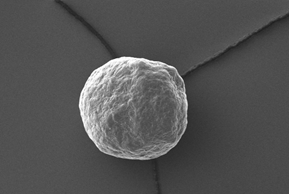
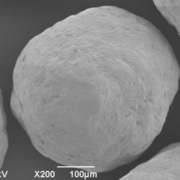
Electron microscopy yield perfect imaging data of the MCC pellets’ surfaces. Magnification: 250x, working distance 8.0 mm, voltage: 10 keV.
Available size classes are (click for more information):
Any size class of CELLETS® have same striking advantages:
See case studies to see these starter pellets in action!
Coating uniformity is a critical parameter in coating processes in novel pharmaceutical formulations. Speaking about pellet technology, coating and layering are the main methods for implementing drug functionalities, such as modified release of the active, taste-masking properties and further more. Coating uniformity guaranties not only upholding functionalities of the formulation, but also prevent risks such as dose dumping.
This application note is based on a publication of Wörthmann et al. [1] and focuses on selected aspects which are related to starter cores.
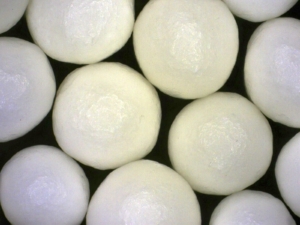
Figure 1: Microscopic image of Cellets® 1000, magnification 100x.
Coating was applied on highly spherical starter cores Cellets® 1000 (Figure 1). The pellets have a relatively narrow size distribution with a mean particle size of d50 = 1197 μm, a standard deviation of σ = 113 μm, and particle density of 1.4 g/cm3. For analyzing the coating uniformity, stearin (54 % stearic acid and palmitic acid) and hydrogenated palm oil were used. For the hot-melt coating experiments a lab-scale Wurster fluidized bed was used. The overspray rate was estimated to 8 % (w/w). Processed particles were analyzed by image analysis (Figure 2) and micro-computed-tomography (μCT) (Figure 3). 2D and 3D software analysis were further conducted for the evaluation of the sphere dimension, layer thickness and coating uniformity.
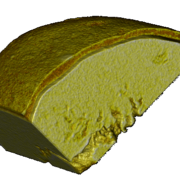
Figure 2 shows a wax-coated particle, where the coating thickness varies and delamination is clearly visible (Figure 3). Small pores and fractions of the coating layer area are obvious.
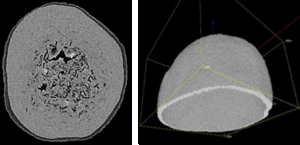
Figure 2: Images of coated pellets are used for a stepwise evaluation of the particle shell thickness. A: original image; B: segmented coating layer. Further software calculation steps are not shown here.
These undesired artefacts result from imperfect parameters, such as spreading mechanism, temperature fluctuations, viscosity, or drop size.
The coating layer thickness is analyzed for three particles of the same batch (Figure 4) using 5 % (w/w) stearin at a spraying rate of 1 g/min. The layer thickness varies between approximately 2 µm to 30 µm. A mean coating thickness is found between 12 µm and 16 µm.
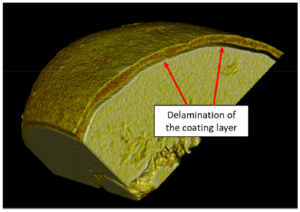
Figure 3: Portion of a micro-computed-tomography image of a wax-coated particle showing.
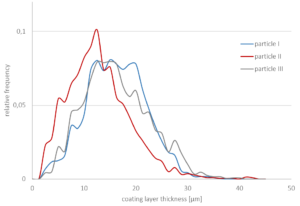
Figure 4: Relative frequency of the coating layer-thickness of three particle shells from the same batch using 5 % (w/w) stearin at a spraying rate of 1 g/min. Mean thicknesses: particle I (blue): 15.5 μm, particle II (red): 12.4 μm, and particle III (grey): 15.6 μm.
In terms of customer safety and of compliance aspects, not only statistical information about the layer thickness are of interest. In case of inhomogeneous layers, taste-masking functionalities or even uncontrolled dose dumping might occur. In this context, a single-particle analysis is mandatory. 3D µCT is a powerful tool, which is complementary to existing methods, such as laser imaging methods, 2D analysis or thickness estimations. The analyzed mean thickness deviates by approximately 13 % among these methods (Figure 5).
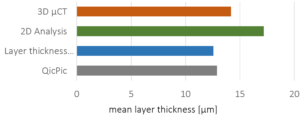
Figure 5: Mean layer-thicknesses measured using different methods. Relative standard deviation: 13 %.
Microcrystalline cellulose pellets (Cellets®) are used to study coating uniformity. 3D μCT can be a powerful tool to assess the quality of the final product coating and facilitates the selection of an appropriate combination of core particles and coating material. 3D visualization methods allow a critical single-particle analysis with a resolution of up to 2 µm. Furthermore, the determination of the particle’s uncoated surface area can be specified.
Prof. Heiko Briesen, Mario Wörthmann (Technical University Munich) and team are gratefully acknowledged for serving content for this note.
Research was financially supported by the Ministry of Economics and Energy (BMWi) and FEI (Germany) via project AiF 19970 N. Equipment funded by Deutsche Forschungsgemeinschaft (DFG, Germany) 198187031.
[1] B.M. Woerthmann, J.A. Lindner, T. Kovacevic, P. Pergam, F. Schmid, H. Briesen, Powder Technology 378 (2021) 51–59
Amorphous solid dispersions layered pellets solve a problem of poorly water soluble drugs. Speaking about oral drug formulations, drug carrier solutions based on starter cores are suitable for several drug classes and open new opportunities for modified drug release profiles. Layering and coating techniques, such as Wurster fluid bed process at different batch sizes, are well established.
However, an increasing number of poorly water soluble drugs challenges modern formulations. A novel approach improving the solubility of those drugs is to formulate them as amorphous solid dispersions (ASD) with a suitable polymer candidate [1]. In this study, Nifedipine was used as a model drug. Nifedipine manages angina, high blood pressure, Raynaud’s phenomenon, and premature labor [2].
ASD formulations can be performed by hot-melt extrusion or spray drying technique. Both techniques have disadvantages such that hot-melt extrusion cannot be employed for temperature-sensitive drugs [3], and spray drying needs a further compaction step not to result in fine powder with poor flowability, broad particle size distribution and high sensitivity to electrostatic charge. Therefore, a further compaction step is required to obtain a freely flowable product [4].
In this context, two techniques for the preparation of ASDs are compared: A 6”-Wurster fluid bed with Type-C bottom plate (Glatt, Germany) and spouted bed (ProCell5™ with Zig-Zag-sifter, Glatt, Germany) are used.
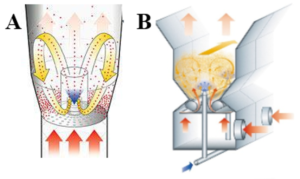
Fig. 1: A: 6”-Wurster fluid bed; B: ProCell5™ spouted bed.
The formulation contains the drug and a stabilizing co-polymer (Kollidon®, KVA64, BASF, Germany). Nifedipine and Kollidon are mixed resulting in a drug load of 40 % (w/w) and dissolved in Acetone (30 % w/w solid content).
| Parameter | FB | SB |
| Spray rate [g/min] | 20 | 20-35 |
| Product temp. [°C] | 50-60 | 50-60 |
| Process gas temp. [°C] | 65 | 80 |
| Process air flow [m³/h] | 180-200 | 65-120 |
| Spraying nozzle diameter [mm] | 1.2 | 1.2 |
| Spraying pressure [bar] | 2.0 | 0.5 |
Table 1: Manufacturing parameters for fluid bed (FB) and spouted bed (SB).
In the fluid bed process, microcrystalline pellets (Cellets® 500, IPC Dresden, Germany) were layered with the spraying solution such that a drug load of 21.8 % (w/w) is reached. In the spouted bed process, fine powder is generated by spray drying, further agglomeration and layering. An overview on the process parameters is given in Table 1.
Dissolution tests were conducted in a PBS buffer at pH 6.8 and 37 °C (± 0.5 °C). A physical mixture of Nifedipine and KVA64 (40 % w/w drug load) is used as reference.
In the following, results from both experiments, which are amorphous solid dispersions layered pellets (fluid bed) and ASD pellets from direct pelletization (spouted bed) are compared.
ASD layered pellets show a better sphericity, higher level of monodispersity and better flowability properties than the ASD pellets from direct pelletization (Figure 2). Nonetheless, it has to be pointed out that both techniques result in a high particle quality for capsule filling. Analysis data is shown in Table 2.
| Parameter | FB | SB |
| D10 [µm] | 824 ± 23 | 559 ± 28 |
| D50 [µm] | 943 ± 13 | 732 ± 50 |
| D90 [µm] | 1091 ± 11 | 1374 ± 410 |
| Bulk density [g/L] | 427 | 280 |
| Flowability [s/100g] | 12.1 | 16.2 |
Table 2: Analysis of ASD layered pellets (FB) and ASD pellets from direct compaction (SB).
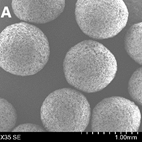
Fig. 2a: SEM images of processed pellets. A: ASD layered pellets based on Cellets® (FB)
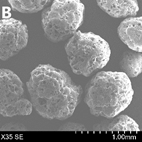
Fig. 2b: SEM images of processed pellets. B: ASD pellets from direct pelletization (SB)
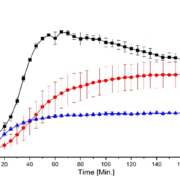
Independent from the processing technique, pellets achieved an approximately factor 2 higher end concentration than the physical mixture. Pellets obtained from the fluid bed process showed a clear supersaturation phase after 1 hour and a generally higher dissolution rate than pellets obtained from the spouted bed process. Contrarily, the dissolution rate of the latter pellets approaches the supersaturation phase more continuously after 3 hours.
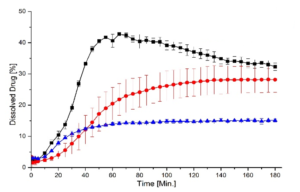
Fig. 3: Dissolution as a function of time. Black: ASD layered pellets (FB). Red: ASD pellets from direct pelletization (SB). Blue: physical mixture.
Summary
Both techniques, fluid bed and spouted bed as well, can be employed for manufacturing amorphous solid dispersions with good flow properties and dissolution profiles. Both techniques can be scaled up to pilot and production scale for batch or continuous manufacture of freely flowable ASDs. Cellets® serve stable and reliable cores for this venture.
We gratefully acknowledge Dr. Annette Grave and Dr. Norbert Pöllinger (Glatt Pharmaceutical Services, Germany), and Prof. Karl G. Wagner and Marius Neuwirth (University Bonn, Germany).
[1] T. Vasconcelos, B. Sarmento, and P. Costa, Drug Discovery Today, 12(23): 1068-1075 (2007)
[2] “Nifedipine”. The American Society of Health-System Pharmacists. Retrieved: Sept 17, 2019.
[3] J. Breitenbach, European Journal of Pharmaceutics and Biopharmaceutics, (54)2: 107-117 (2002)
[4] I. Weuts et al., Journal of Pharmaceutical Sciences, (100)1: 260-274 (2011)
Cellets are inert starter cores made of microcrystalline cellulose (MCC). They play an important role in new formulations of solid dosage forms. As a carrier system for actives, the chemical inertness and surface smoothness are crucial parameters. Additionally, high level of robustness and sphericity simplify formulations and technical processes, such as fluidized bed technologies for coating and layering. In a joint study between the University of Hertfordshire and Freeman Technology (a Micromeritics company), the effect of pellets’ size on the behavior in a Wurster process is explained. Wurster fluid bed coating of Cellets with particle size larger than 400 µm is unproblematic. However, decreasing the particle size begins to complicate the coating process. So, powder rheology was used to compare Cellets with different particle sizes in terms of their effect on the powder flow in the Wurster fluid bed coater. For deeper knowledge, we strongly recommend reading investigations by V. Mohylyuk et al. [1]
Cellets® 90, 100, 200 and 350 (D50-size from 94 µm to 424 μm, Ingredientpharm, Switzerland). MCC powder Avicel® PH-102 (supplied by IMCD UK Ltd., UK) is included in the investigations, as it is widely used in industry and can be used by readers for comparison with other studies.
Wurster process is a bottom-spray method, employed as a coating technology, for layering powder-like particles in a fluidized bed system (Figure 1). The process can be separated in different zones of mass flow, such as the down-flow zone or the horizontal transport zone. The flowability in these zones is crucial for homogeneous and efficient coating of the particles.
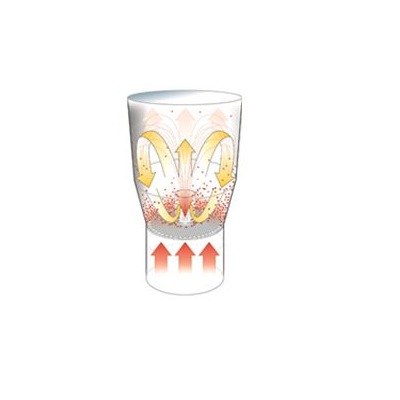
Figure 1: Wurster process is a bottom-spray method for layering powder-like particles in a fluidized bed system.
Hereby, the size of particles might play an important role. The narrow size distribution of MCC pellets is shown in Figure 2 and Figure 3. Measured data is presented in Table 1.
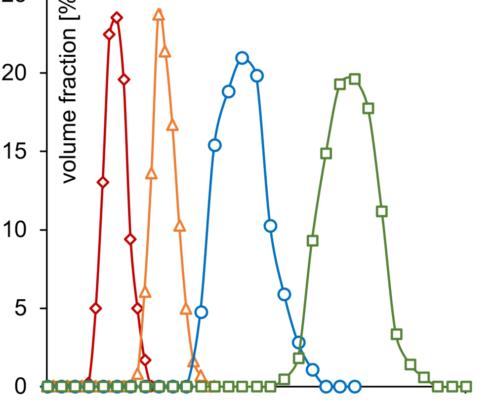
Volume weightened size distribution of Cellets 90 (red, diamonds), Cellets 100 (orange, triangles), Cellets 200 (blue, circles), Cellets 350 (green, squares).
The compact Cellets with fair sphericity, zero friability and a high level of surface smoothness show a fair mass flow rate which is almost independent of particle size at given experimental conditions and was determined by the gravitational funnel method. The reference MCC powder did not flow through the orifice.
| Excipient | PSD [µm] |
Span [µm] |
Flow rate [g/s] |
| Avicel PH-102 | 115a | 1.85 | No flow |
| Cellets 90 | 94b | 0.44 | 1.76 |
| Cellets 100 | 163b | 0.27 | 2.06 |
| Cellets 200 | 270b | 0.34 | 1.89 |
| Cellets 350 | 424b | 0.22 | 1.83 |
Table 1: Particle size distribution (D50) value and span by laser diffraction (a) and digital microscopy (b), and the mass flow rate by gravitational funnel method (5 mm diameter orifice) for the investigated excipients.
The impact of the Cellets’ size on bulk powder behavior can only be estimated by screening additional parameters. In addition to the mass flow rate, standard pharmacopoeia methods such as bulk/tapped density were initially employed for the characterization of the powder’s properties. This was extended to rotating drum measurements providing the dynamic angle of repose and dynamic cohesivity index. Via powder rheology the conditioned bulk density, basic flowability energy, specific energy, pressure drop, permeability and compressibility (Figure 4) were obtained [1].
By picking the compressibility of Cellets at an applied force of 10 kPa normal stress, two key points need to be mentioned: (a) smaller particle size induces a higher rate of compressibility; (b) Cellets are less compressible than the reference MCC powder.
These findings are part of the open question on powder flow in a Wurster process. It is expected, that Cellets with a lower compressibility will result in better flow behavior in the fluidized bed.
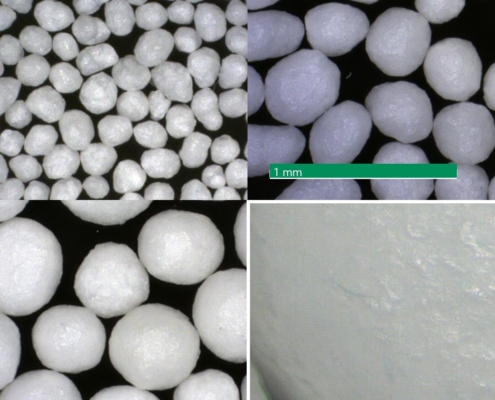
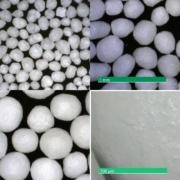
Microscopic imaging of Cellets 100 (top left), 200 (top right), 350 (bottom left) with 1 mm scale bar and 100x magnification. Bottom right: surface of Cellets 350 in 1000x magnification.
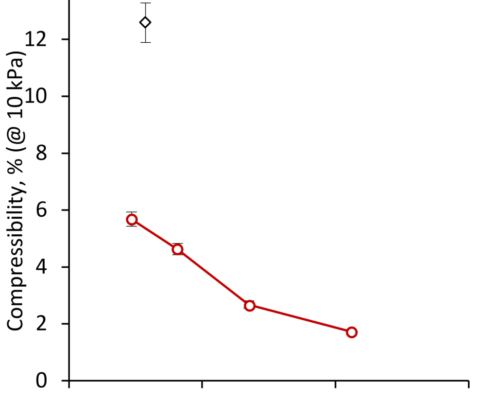
Compressibility at 10 kPa normal stress on Cellets with varying particle size (D50) and Avicel® PH-102.
The flow of Cellets’ through a Wurster fluid-bed coater is likely to show improved performance as the Cellets’ particle size increases. Among others, a lower compressibility demonstrates a rheological behavior which is superior to MCC.
[1] Mohylyuk V, Styliari ID, Novykov D, Pikett R, Dattani R. Assessment of the effect of Cellets’ particle size on the flow in a Wurster fluid-bed coater via powder rheology. J D Deliv Sci Tec. 2019; 54: 101320, doi: 10.1016/j.jddst.2019.101320.
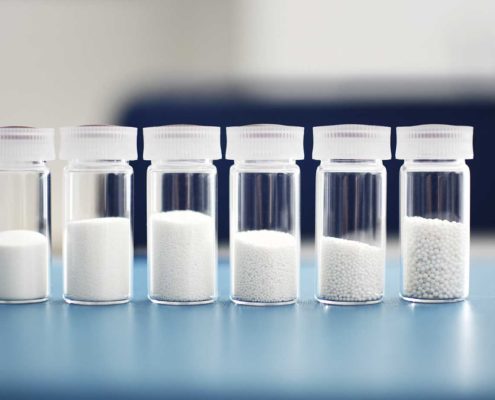
In recent years, formulations based on pellets and micropellets have been the trend. New technologies make it possible to circumvent property rights for active ingredients and are therefore very popular with pharmaceutical customers. But which technologies are the most important?
Pellets are the jack-of-alltrades of solid dosage forms. Positioned somewhere between powder and granulate, they make bitter medicine more palatable and can even awaken a child’s instinct to play when the dosage forms are imaginative enough. One well-known example is the Xstraw, a plastic tube shaped like a drinking straw which is filled with pellets of active ingredient, through which children or elderly people can take in the medicine with water. Pellets in tablets are also making a splash – hybrids which combine all the advantages of both dosage forms. The pioneers in the development of these formulations, known as Multiple Unit Pellet Systems (or MUPS for short), was Astra Zeneca in 1999. Their move to embed the proton pump inhibitor Omeprazole in micropellets and then compress these pellets into immediate release tablets was an award-winning one at the time. The development of MUPS and Xstraw symbolizes the impetus pellets have fueled in recent years.
Klaus N. Möller, Head of Business Development at Glatt in Binzen / Germany, explains: “New excipients, coating materials and sophisticated processes allow us to extend the patent protection period and to make the dosage form more attractive.“
The number of patents registered yearly for pellet-based formulations has increased exponentially and is set to continue. According to research performed by IMS Health, the market for OSD (Oral Solid Dosage Forms) is growing by 6 to 8 percent every year. The number of drugs approved by the FDA also reflect this trend: in 2015, more than half were solid products.
Pellets, as defined by pharmacy guru Prof. Peter Kleinebudde are “an isometric agglomerate of powder particles in an approximate spherical or cylindrical form”, and are a task for perfectionists. The smoother and rounder the pellets, the better they are at fulfilling their purpose. The equipment manufacturer Glatt and their specialists from Pharmaceutical Services have been actively ursuing the subject for years.
There are two fundamental ways of making active ingredient pellets: direct pelletization, in which the powdered active ingredient and excipient combine in a matrix, and active ingredient layering, in which uses side spray or Wurster technology to apply the active ingredient to a starter core of sugar or microcrystalline cellulose.
One interesting process variant for matrix pellets is the extrusion of wet granulate in a basket extruder and subsequent rounding in a spheronizer. Möller elucidates: “Continuous wet granulation, followed by extrusion, spheronization and drying now make it possible to perform continuous processes”. Active ingredient pellets made like this can then be covered with a functional coating, be continuously mixed with excipients and be directly compressed into a MUPS tablet. The challenge is to avoid separation of the ingredients and destruction of the tablets during pressing.
Glatt, whose portfolio comprises all granulation and pellet manufacturing techniques, has spent recent years developing additional ways of “fine tuning” the pellet process and has opened up a range of new, interesting possibilities for the lifecycle management of active ingredients.
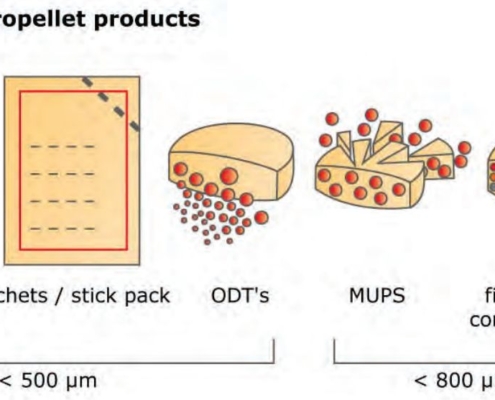
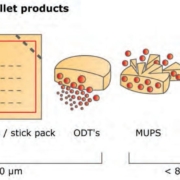
Pellets and micropellets can be further processed into a wide range
But what differentiates the manufacturing of granulates from the manufacturing of pellets? From a pharmaceutical point of view, both processes are closely related and are only separated by the form of the particle, since the ideal shape for pellets is a sphere. There are also definite commonalities in procedure. As Möller explains: “The fluidized bed can be used for both granulation and pelletization. This is why we configure fluidized bed machines on request to be multipurpose installations which then allow the continuous manufacturing of pellets. The individual process modules for direct pelletization with rotor technology, for layering active ingredient and for pellet coating with Wurster technology or the simple drying of wet granulates can be added as necessary. Wurster technology has been used in practice for many years: it is a fluidized bed technique in which starter cores or active ingredient pellets are sprayed with a insists. Möller says: “This method is robust and, because the process is so stable, it’s generally the most popular way to process pellets.”
Depending on the composition of the tablets, processing can last anywhere between eight and ten hours. The knack is knowing how to optimize the efficiency and times of the production process. Additionally, Möller recommends timely expert assistance during the development of the pellet formulation and the production process: “Right from the beginning, it will help to avoid mistakes and to keep an eye on process times and manufacturing costs”.
Glatt’s development team demonstrated how to refine an established process with the fluidized bed agglomeration technique known as MicroPx. The trick is to use the Conti process, which was conceived in Pharmaceutical Services’ laboratories in Binzen: first, the active ingredient/excipient liquid is spray-dried to a very fine product dust in a fluidized bed and agglomerated into tiny primary particles. The micropellets then build up, layer by layer, until the desired size is reached. The heart of this technology is a zigzag classifier which continuously ejects particles of sufficient size from the process, while simultaneously allowing smaller particles to reenter the process chamber where they continue to grow. Möller explains that the result of this method are high dosage active ingredient pellets in the size range of 100 to 400 μm with a narrow particle size distribution and content uniformity of a consistent 90 to 95 percent. This means that one significant limitation of former times is now no longer an issue: for many years, the volume of a pellet- filled capsule was larger — and therefore much harder to swallow — than the equivalent tablet with the same dose and composition. The use of microencapsulation, which changes bitter-tasting active ingredients into tasteless microparticles, means the taste is much improved now, too. Micropellets can be also pressed into tablets or MUPS tablets which already begin disintegration in the mouth. But the reason pharmaceutical companies find the MicroPx process so exciting is that it makes completely new formulations possible and therefore allows the legal circumvention of property rights. The technology experts have long known the secret to the perfect pellet, too, an answer provided by Complex Perfect Spheres Technology (CPS). CPS is a souped-up rotor process for fluidized bed machines that uses direct pelletization to yield functionalized pellets and micropellets which are perfectly round and smooth. Unlike classic rotor technology, the modified technique uses a tapered rotating disc which allows the movement of particles to be directed and pelletization to be performed to a defined endpoint. The results are perfectly spherical pellets of exactly defined sizes of between 100 and 1500 μm and extremely narrow size distribution. This is how Glatt’s own Cellets of microcrystalline cellulose are created, which are used as starter cores for pellets and in the Wurster process, for example — thus completing the formulation cycle.
Klaus Möller, Head of Business Development Glatt Process Technology Pharma
Microcrystalline cellulose pellets (MCC) and sugar are well-known materials in pellet technology. Pellet technology describes the drug load onto starter pellets for controlled release formulations by Wurster process or others. Inert pellets are made of microcrystalline cellulose, while water soluble pellets are composed of sugar. Both material classes show desirable characteristics, such as a narrow particle size distribution, sphericity, surface smoothness. Also the batch-to-batch reproducibility and robustness of starter cores is high. A comparison does not seem to be that easy …
Respecting the final application, the initial size of starter pellets defines the final size of the drug loaded pellet. In case of several layers of API and excipients, the initial size is factorized by the layering process. Pellet sizes in a range from 200 µm to 700 µm are frequently used (Table 1). We will focus on three size classes within this range and compare MCC pellets with those made of sugar.
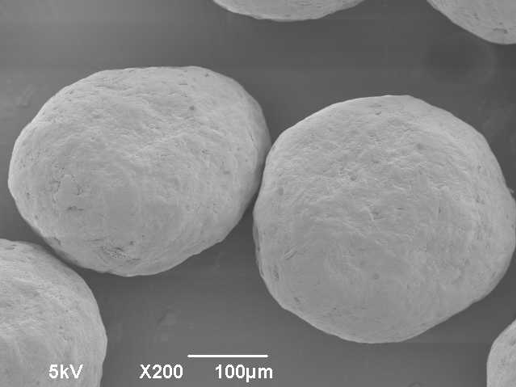
Figure 1: MCC pellets (here: Cellets® 200) are shown with good sphericity and striking surface smoothness.
Small-sized pellets with sizes starting at 200 µm and larger, exhibit a comparably large surface-to-volume ratio. This can be beneficial in some applications. For example, taste-masking of bitter API is accessible.
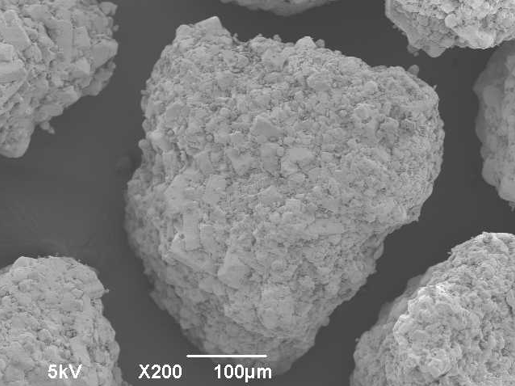
Figure 2: Sugar pellets (here: 50/70 mesh) are shown with moderate sphericity and reduced surface smoothness.
Figure 1 displays a microscopic image of MCC Cellets® 200 and Figure 2 displays the image of sugar pellets in 50/70 mesh, respectively. It is obvious, that for small-sized pellets, the sphericity and surface smoothness of MCC pellets is superior.
| Size | MCC | Sugar |
| small | Cellets® 200 | 50/70 mesh |
| Medium | Cellets® 350 | 40/50 mesh |
| large | Cellets® 500 | 25/30 mesh |
Table 1: Size definition of MCC and sugar pellets.
This class of pellets is frequently used for multi-layer coating technologies. Easy processing and reliable batch-to-batch control are positive aspects. Exemplary application is a hydrocortisone formulation for peadiatrics. Again, Figure 3 (MCC pellets) and Figure 4 (sugar pellets) show advantages in surface properties for the MCC material.
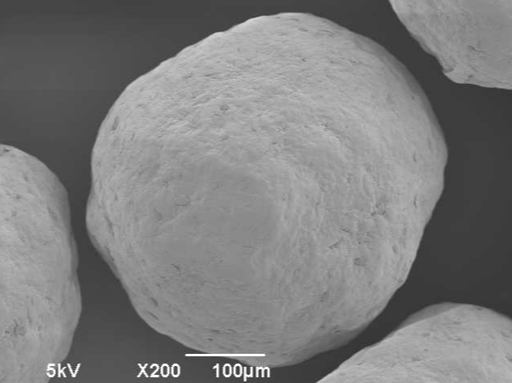
Figure 3: MCC pellets (Cellets® 350) are shown.
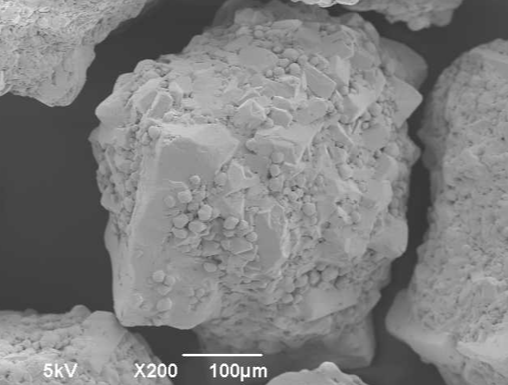
Figure 4: Sugar pellets (40/50 mesh) are shown
In some applications, larger pellet sizes are requested. Let’s have short excurse into straws which can contain larger pellets in dry state. Upon use by sucking liquid through the straw, the API coating dissolves immediately while the pellet remains in the straw by simple filters.
In this size range the striking advantages of MCC pellets are not of immediate importance, but still visible.
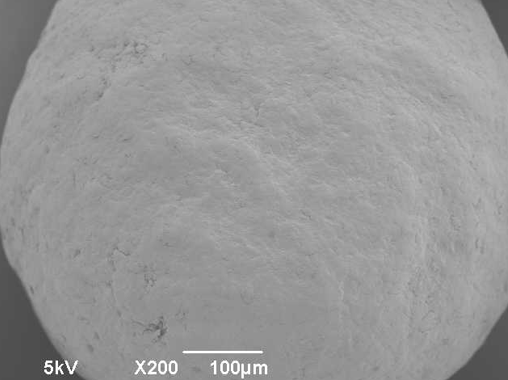
Figure 5: MCC pellet above 500 µm (Cellets® 500).
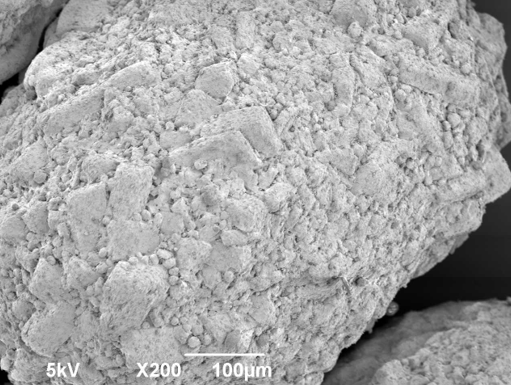
Figure 6: Sugar pellet above 500 µm (25/30 mesh).
Microcrystalline cellulose pellets (Cellets®) show superior surface and sphericity properties compared to sugar pellets. In case of non-dissolving applications, MCC pellets are first choice. As sugar pellets exhibit strong dissolution in water, there is still a fair application range for them.
Microcrystalline Cellulose (MCC) pellets represent a chemically inert class of active pharmaceutical ingredients (API) carriers. A narrow particle size distribution (PSD) maximizes control over content uniformity. In this case study, we will focus on measuring the particle size distribution and on sphericity.
MCC pellets are used as starter beads for API loading. Low or high drug dose loading is technically feasible. These pellets are made of pure MCC and provide a robust platform for delivery of one or multiple APIs. Certain processing technologies for pellet coating allow these starter beads to be compatible with soluble or insoluble APIs, e.g. by Wurster bottom spray [1,2] or Rotor dry powder layering technology [3]. Coated pellets can be filled into capsules, or compacted into multiple-unit pellet system (MUPS) tablets [4], where a tight PSD maximizes control over content uniformity.
Particle size distribution maximizes the control over content uniformity in applications of complex oral dosing forms. Speaking about uniform or monodisperse particles, these information always point to general information of the particular system, not of the individual particle itself. Therefore, PSD is a globular measure allowing simple, easy and fast analysis of the particulate matter. Major key information from a PSD measure are the so called D-values. A Dx value represents a dimension, where a ratio of X particles is smaller. For reasons of simplicity weighted functions, such as number, radius or volume, are not. Extending these metrics to D10 and D90 additionally informs about the width of the entire size distribution (Figure 1).
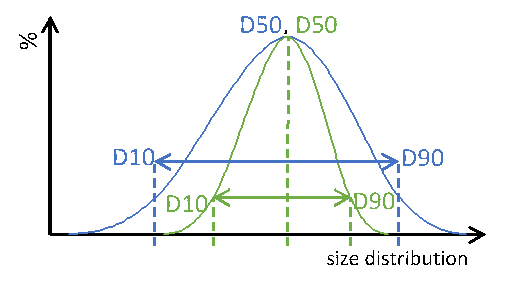
Particle size distribution of two different particle systems with identical median dimension D50. Blue: wide PSD, green: narrow PSD. Dotted lines are guides to the eyes.
Figure 1: Particle size distribution of two different particle systems with identical median dimension D50. Blue: wide PSD, green: narrow PSD. Dotted lines are guides to the eyes.
In this study, imaging technology (Horiba, Camsizer) was employed for the size analysis. Representatively, more than 50 charges of Cellets® 100 and Cellets® 500 (Figures 2-3) have been analyzed for the D10, D50 and D90 values.
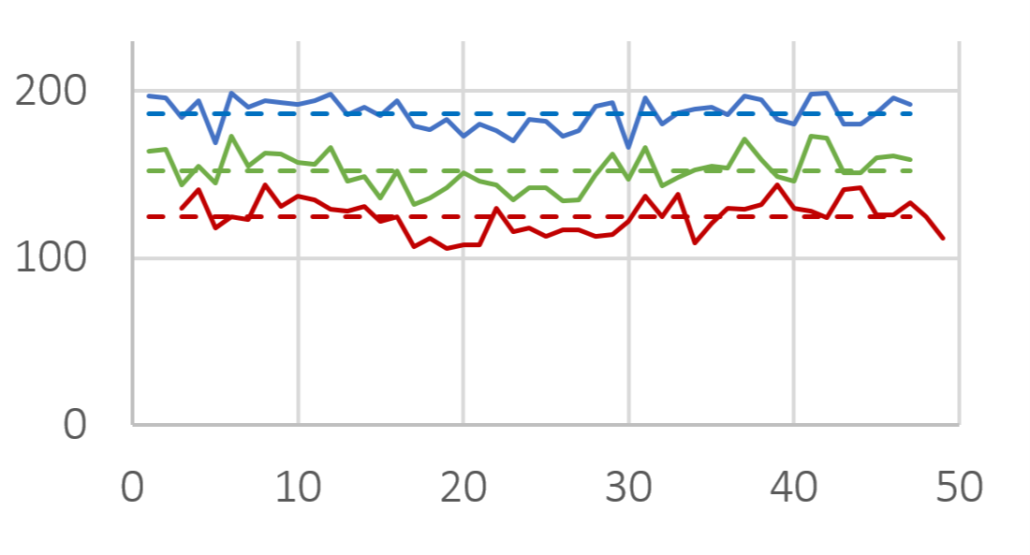
D10 (red), D50 (green) and D90 (blue) value for several Cellets® 100 charges. Solid lines are measures, dashed lines represent the averaged value of all charges. The standard deviation is below 10 %.
Figure 2: D10 (red), D50 (green) and D90 (blue) value for several Cellets® 100 charges. Solid lines are measures, dashed lines represent the averaged value of all charges. The standard deviation is below 10 %.
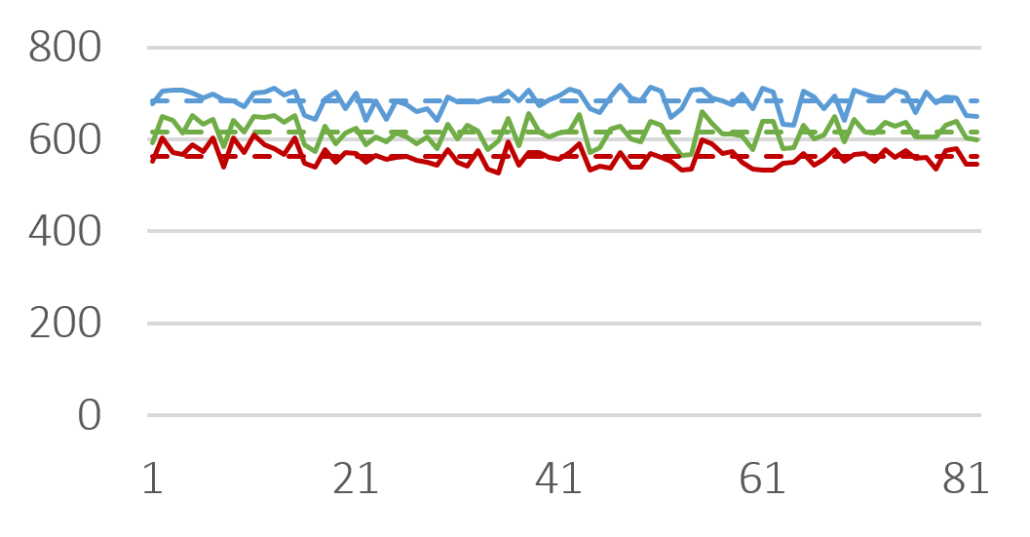
D10 (red), D50 (green) and D90 (blue) value for several Cellets® 500 charges. Solid lines are measures, dashed lines represent the averaged value of all charges. The standard deviation is below 4 %.
Figure 3: D10 (red), D50 (green) and D90 (blue) value for several Cellets® 500 charges. Solid lines are measures, dashed lines represent the averaged value of all charges. The standard deviation is below 4 %.
The results show only slight variations in the PSD between the charges. The standard deviation is smaller than 4 % (Cellets® 500) and smaller than 10 % (Cellets® 100) which confirms a high reproducibility in production (Table 1). Both values are remarkably good for technical spheres. Furthermore, none of the charges was out of specifications and fit into the desired size distribution between 500 µm and 710 µm easily. The close gap between D10 and D90 clearly identify an excellent monodispersity.
| Standard deviation | Cellets 100 | Cellets 500 |
| of D10 | 8.28 % | 3.97 % |
| of D50 | 7.12 % | 3.52 % |
| of D90 | 4.68 % | 3.11 % |
Table 1: Standard deviation for D10, D50 and D90 values Cellets® 100 and Cellets® 500 charges.
Electron microscopy yield perfect imaging data of the MCC pellets’ surfaces. Magnification: 250x, working distance 8.0 mm, voltage: 10 keV.
Figure 4: Electron microscopy yield perfect imaging data of the MCC pellets’ surfaces. Magnification: 250x, working distance 8.0 mm, voltage: 10 keV.
For a more detailed shape analysis, electron microscopy yield perfect imaging data of the MCC pellets’ surfaces (Figure 4). Additionally, MCC pellets have a distinguishing friability.
Microcrystalline Cellulose (MCC) pellets show excellent chemically inertness, high degree of sphericity, narrow size distribution and high reproducibility in production. These properties make Cellets® becoming one of the first choice for inert API carriers. We have proven these excellent properties for Cellets® 100 and Cellets® 500. The obtained results are representative for other size classes ranging from 100 µm to 1400 µm.
We acknowledge IPC Process-Center (Dresden, Germany) for the analytics, and Fraunhofer IFAM (Dresden, Germany) for recording the electron microscopic pictures.
[1] H. R. Norouzi, International Journal of Pharmaceutics, Volume 590 (2020) 119931
[2] D. Jones, Developing Solid Oral Dosage Forms, Pharmaceutical Theory And Practice (2009) 807-825
[4] S. Abdul, A. Chandewar, S. Jaiswal, Journal of Controlled Release, Volume 147(1) (2010) 2-16
Several drug substances are known to be extremely bitter. In special for paediatric and geriatric applications, costumer compliance by means of taste acceptance is a highly sensitive topic. Taste masking is therefore an important issue in pharmaceutical industry of oral dosage forms not only to improve the compliance, but it is also used to define a unique taste identification by the costumer (competition advantages). This case study will focus on taste-masking of an API and on the optimization of release in the absorption window of the API.
Several methods are available to actively influence, hide or modify taste, such as the initial activation of the active pharmaceutical ingredient (API) by biotransformation [1], the complexation into the cavity of a complexing agent [2] or layering with coating substances [3] and other methods.
Among all these solutions, coating seems to be one of the best understood and most flexible methods. In terms of the API bitterness, mild and extreme bitter APIs are applicable. Additionally, coating [4] is well suited for high dosed API formulations. There are two main approaches: (1) direct coating of the bitter API particles in multiple unit pellet system (MUPS) tablets, or (2) global coating of the tablet which contains the bitter API.
In this case study, we focus on the direct coating of API in a formulation based on starter cores as the unit pellet system. CELLETS® 200 are used as starter cores. They are pellets made of microcrystalline cellulose in size ranges from 100 µm to 1400 µm. In this specific case study, the core size ranges between 100 µm and 200 µm with a defined size distribution. The main advantages of CELLETS® are high sphericity, low friability and optimum in hardness. An API is coated onto the starter cores with a drug load of 5-20 %. The taste-masking coating is performed with Eudragit EPO® so that the resulting particle size remains below 500 µm (Figure 1). Eudragit is the polymer of choice as it ideally prevents API release in oral cavity and allows its release in the absorption window of the API. The final dosage form is a MUPS tablet (Figure 2).
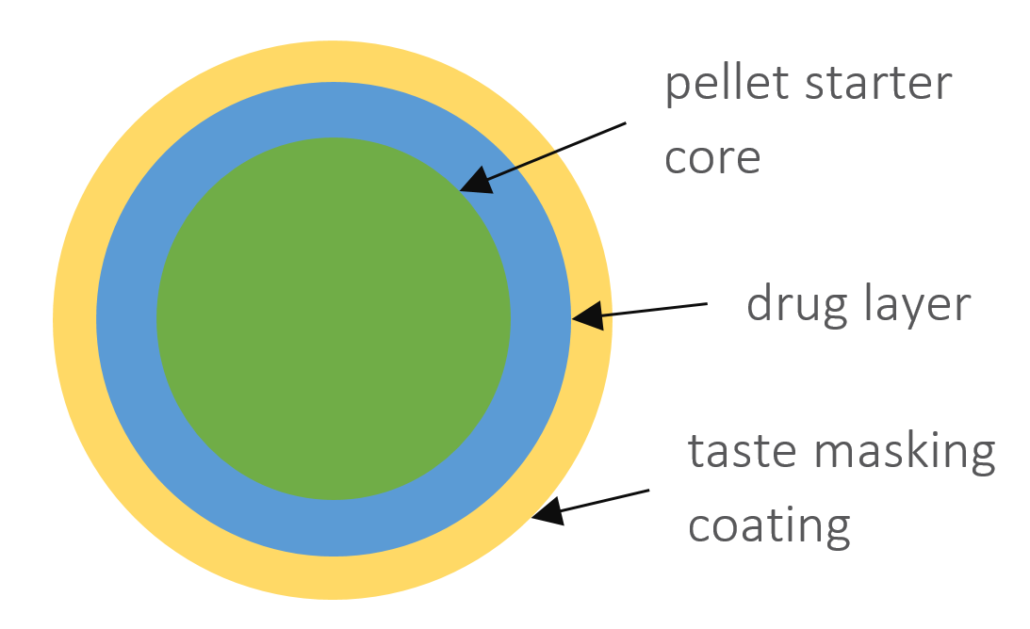
Sketch of a coated pellet starter core (green) with API (blue) and taste masking Eudragit EPO® (yellow) coating. The API drug load is between 5 % to 20 %. The resulting particle size remains below 500 µm.
Compaction is an issue during production, which requires mechanically stable pellets. Coated CELLETS® 200 after compaction still represent as “hard” core pellets. The coated pellets show only little deformation, a reversible compaction behavior and an intact coating.
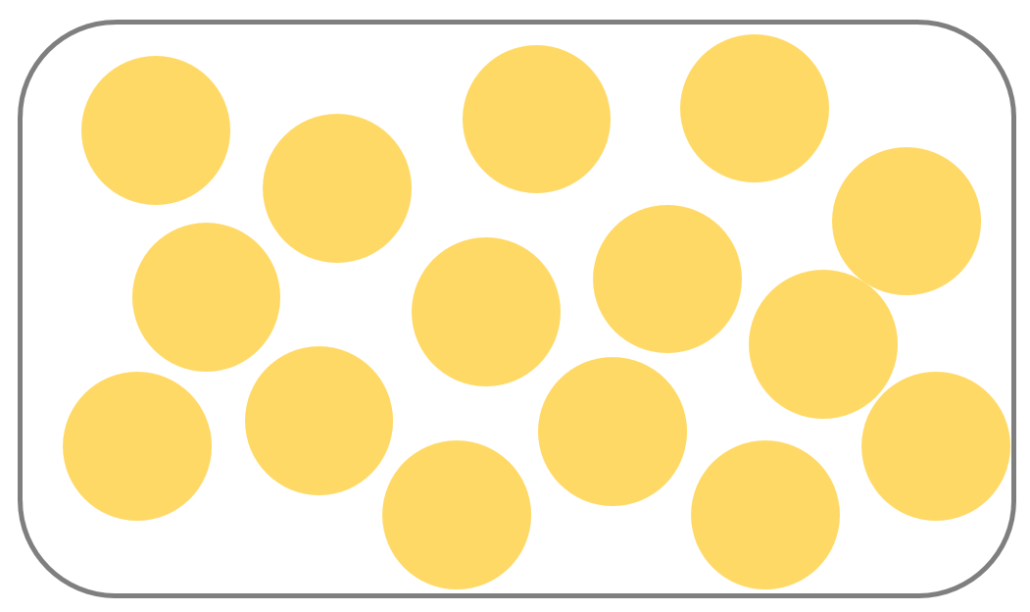
Sketch of a MUPS tablet. Coated starter cores (yellow) and filling excipient formulation (white).
Here, the MUPS formulation defines a content uniformity with an excellent taste masking at pH 7 (as a measure for the oral cavity) and fast dissolution at pH 1 (representing conditions in the stomach). Figure 3 shows the evaluation of taste masking and dissolution efficiency tests, where the dissolution at pH 7 remains less than 10 % after 10 minutes, and a desired dissolution at pH 1 with a drug release better than 85 % after 30 minutes.
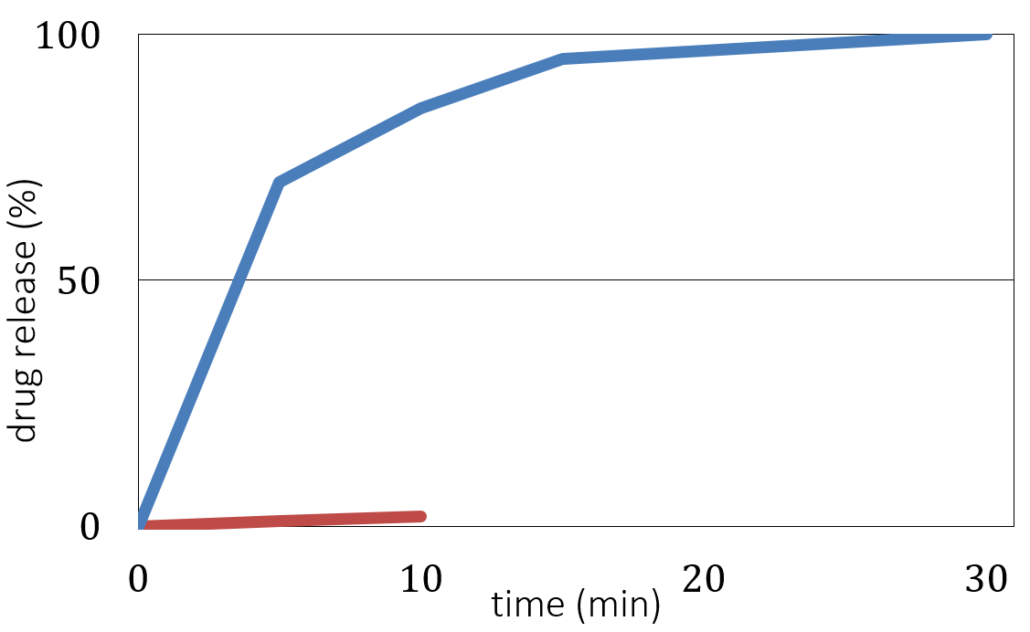
Drug release versus time for coated CELLETS® 200 starter cores. Blue line: in vitro dissolution testing at pH 1 (stomach). Red line: taste masking evaluation at pH 7 (oral cavity).
Taste masking and modification is crucial for costumer compliance in paediatric and geriatric applications. Several methods are available, such as direct API coating. CELLETS® are perfect starter cores for a successful formulation and simplify taste masking of extreme bitter APIs. CELLETS® properties allow perfect coating abilities due to a high degree of sphericity. CELLETS® of small sizes and narrow size distribution are applicable in MUPS tablets thanks to their low friability and excellent hardness.
[4] Hazzah, H.A., EL-Massik, M.A., Abdallah, O.Y. et al. Preparation and characterization of controlled-release doxazosin mesylate pellets using a simple drug layering-aquacoating technique. Journal of Pharmaceutical Investigation 43 (2013) 333–342. https://doi.org/10.1007/s40005-013-0077-0
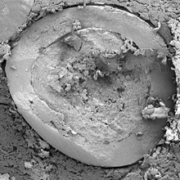
Starter beads such as pellets made of microcrystalline cellulose (MCC) are frequently used in the formulation of oral drug delivery systems, e.g. multiparticulates [1] or multi-unit pellet system (MUPS) tablets [2]. Certain properties are requested to MCC pellets. We shed some light on sphericity size and friability in this note.
MUPS tablets consist of pellets which are compressed – assisted by excipients such as disintegrants and fillers. The pellets used are usually functional coated to achieve desired drug release profiles.
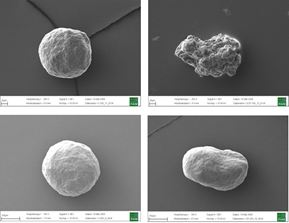
Top: Inert Cellets® 100 (100-200 µm, left) in comparison with another MCC sphere (75-212 µm, right). Bottom: Inert Cellets® 200 (200-350 µm, left) in comparison with another MCC sphere (150-300 µm).
Figure 1: Top: Inert Cellets® 100 (100-200 µm, left) in comparison with another MCC sphere (75-212 µm, right). Bottom: Inert Cellets® 200 (200-350 µm, left) in comparison with another MCC sphere (150-300 µm).
The characteristics of the starter bead as a neutral carrier should therefore include high sphericity (Figure 1), constant particle size distribution and smooth surface. These aspects count especially for the formulation of low dosed highly active APIs.
For the application in MUPS tablets small size and high mechanical stability (low friability) are of interest to achieve desired drug loading and avoid film damage during compression.
Any question relating to optimized drug load and coating layers of pellets is a question of size and sphericity of the starter beads.
So, what is the main influence of size? Size needs to be considered for achieving desired drug load in relation to a total dimension of the pellet. While the total dimension of the pellet is mainly defined by the application – e.g. processing as a capsule, tablet or sachet –, the initial pellet size defines the maximum thickness of coating levels (Figure 2). Size might also be a matter of content uniformity with low dosed API and also needs to be mentioned by means of processability, which is in particular electrostatic loading or sticking. Particle size distribution influences the dissolution profile.

Figure 2: Sketch of a functionally coated pellet. The size of the initial pellet (green) defines the maximum thickness of all coating layers (blue) which may contain API and excipients, as well.
Figure 2: Sketch of a functionally coated pellet. The size of the initial pellet (green) defines the maximum thickness of all coating layers (blue) which may contain API and excipients, as well.
Sphericity is a strong parameter which influence depends on drug loading and coating levels. Also for the control of dissolution profile where specific surface area and content uniformity play important roles, the influence of sphericity needs to be understood (Figure 3). Please do not forget, that with decreasing sphericity, the flow probabilities of powders are decreasing (powder rheology), which might affect process properties such as powder transport.

Figure 3: Sketch of non-spherical starter beads (green) with coating layers (blue). Coating layer thickness and dissolution profiles are hard to control in this case.
Figure 3: Sketch of non-spherical starter beads (green) with coating layers (blue). Coating layer thickness and dissolution profiles are hard to control in this case.
Thus, starter beads of uniform size (distribution) and sphericity are the better solution for overcoming these issues by simplifying drug formulation and processing. Such starter beads can be pellets of MCC, sugar or tartaric acid. MCC pellets surely show perfect initial conditions as they exhibit chemical inertness and therefore can be combined with several APIs. In case of weakly basic APIs, tartaric acid pellets are advantageous.
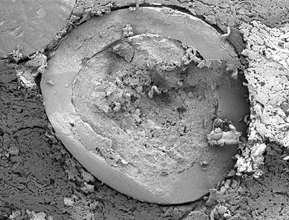
Figure 4: A pellet inside a compressed MUPS tablet. The starter bead is surrounded by a coating layer of exemplarily excipient or API. A powdery excipients matrix surrounds the coated pellet. Friability is absolutely low.
Figure 4: A pellet inside a compressed MUPS tablet. The starter bead is surrounded by a coating layer of exemplarily excipient or API. A powdery excipients matrix surrounds the coated pellet. Friability is absolutely low.
Figure 4 shows a cross-section of a pellet in the matrix of a compressed MUPS tablet. It is mentionable, that due to low friability a high degree of sphericity as well as surface smoothness are kept after compression and film damage of coating layers is not identified.
Cellets® offer a perfect combination of chemical inertness towards the selection of the API and physical properties that allow optimized and stable processing in a fluid bed process for layering and coating of the starter beads. Main advantages are the low friability, smooth surface, sphericity and narrow size distributions.
Cellets® starter beads therefore provide excellent conditions for controlled drug dissolution profiles.
We acknowledge Fraunhofer IFAM (Dresden, Germany) for providing electron microscopic images.
[1] Pöllinger N, Drug Product Development for Older Adults—Multiparticulate Formulations. In: Stegemann S. (eds) Developing Drug Products in an Aging Society. AAPS Advances in the Pharmaceutical Sciences Series, vol 26 (2016). Springer, Cham. https://doi.org/10.1007/978-3-319-43099-7_16
[2] Bhad ME, Abdul S, Jaiswal SB, Chandewar AV, Jain JM, Sakarkar DM. MUPS tablets—a brief review. Int J Pharm Tech Res. 2010;2:847–55
 Ingredientpharm
 glatt.com
 ingredientpharm